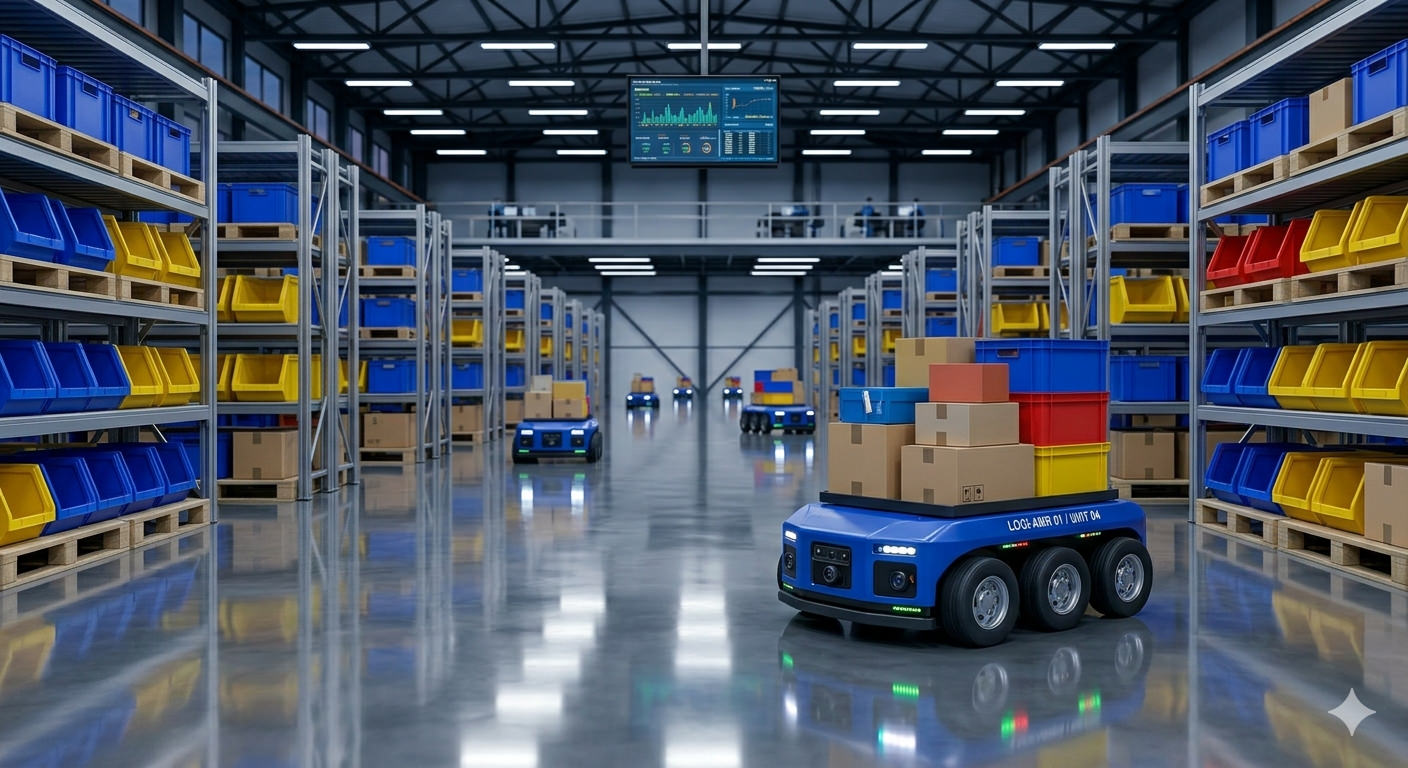
Autonomous robots are moving from controlled environments into the real world, transforming industries and opening new possibilities. These intelligent machines can operate independently, making decisions in real-time based on their environment.
Navigation and Mapping
Modern autonomous robots use a combination of sensors, cameras, LiDAR, and advanced algorithms to understand their surroundings. Simultaneous Localization and Mapping (SLAM) technologies allow robots to build maps of unknown environments while tracking their own position within those maps.
Decision-Making Capabilities
AI-powered decision-making systems enable robots to react to unexpected situations. Machine learning models trained on vast datasets allow robots to recognize objects, predict outcomes, and choose appropriate actions in complex scenarios.
Applications Across Industries
Autonomous robots are finding applications across diverse sectors. In agriculture, they're harvesting crops and monitoring fields. In logistics, they're navigating warehouses and delivering packages. In healthcare, they're assisting with surgeries and patient care.
Safety and Reliability
As autonomous systems become more common, ensuring their safety and reliability is paramount. Redundant systems, fail-safe mechanisms, and rigorous testing protocols ensure these robots can operate safely alongside humans.
The Future of Autonomy
We're at the beginning of the autonomous revolution. As AI capabilities advance and sensor technologies improve, we'll see increasingly capable autonomous robots taking on more complex tasks. The future will bring robots that can adapt to entirely new environments and learn from experience.
The rise of autonomous robots represents a fundamental shift in how we think about automation. These aren't just tools—they're partners in solving complex challenges.